Precision Engineered Cable Assemblies for Medical Imaging
In the world of medical imaging, precision matters a lot. One important part of this is the cables that connect different machines and devices. These cables are not just any cables; they are specially made to meet high standards. HOTTEN is a company that focuses on making these high-quality cable assemblies. These cables help doctors and nurses see clear images of what is happening inside the human body. Without these cables, machines like MRI and ultrasound wouldn’t work properly. It’s very important that these cables are reliable and work well, so patients can get the best care. Let’s learn more about what makes these cables special and how to pick the right ones for medical imaging.What Sets Them Apart?
Precision-engineered cable assemblies are different from regular cables. They are built with care, using high-quality materials. For instance, the wires inside are made to resist interference, so they can send clear signals. This is very important for medical imaging. If the cables do not work correctly, the images may be blurry or unclear. HOTTEN ensures that the cables are tested in various conditions to make sure they work well when needed most. They pay attention to every little detail. For example, the connectors on the ends of the cables are designed to fit perfectly into the machines. This helps to avoid loose connections that could cause problems. Also, the cables are often made to be flexible, so they can be moved around easily without breaking. This is helpful in busy hospitals where space can be tight.
Another thing that sets HOTTEN’s cables apart is their durability. They can last a long time, even with daily use. This is really important in hospitals where equipment is used a lot. Some cables can be damaged easily, but HOTTEN’s cables are made to withstand wear and tear. This means hospitals do not have to replace them often, saving time and money. Additionally, these cables are designed to be safe. Medical equipment has to meet high safety standards, and that includes the cables. HOTTEN makes sure their cables are safe to use around patients and staff. This focus on safety and quality makes them a trusted choice for medical imaging.
How to Choose the Right Cable Assemblies for Medical Imaging Applications
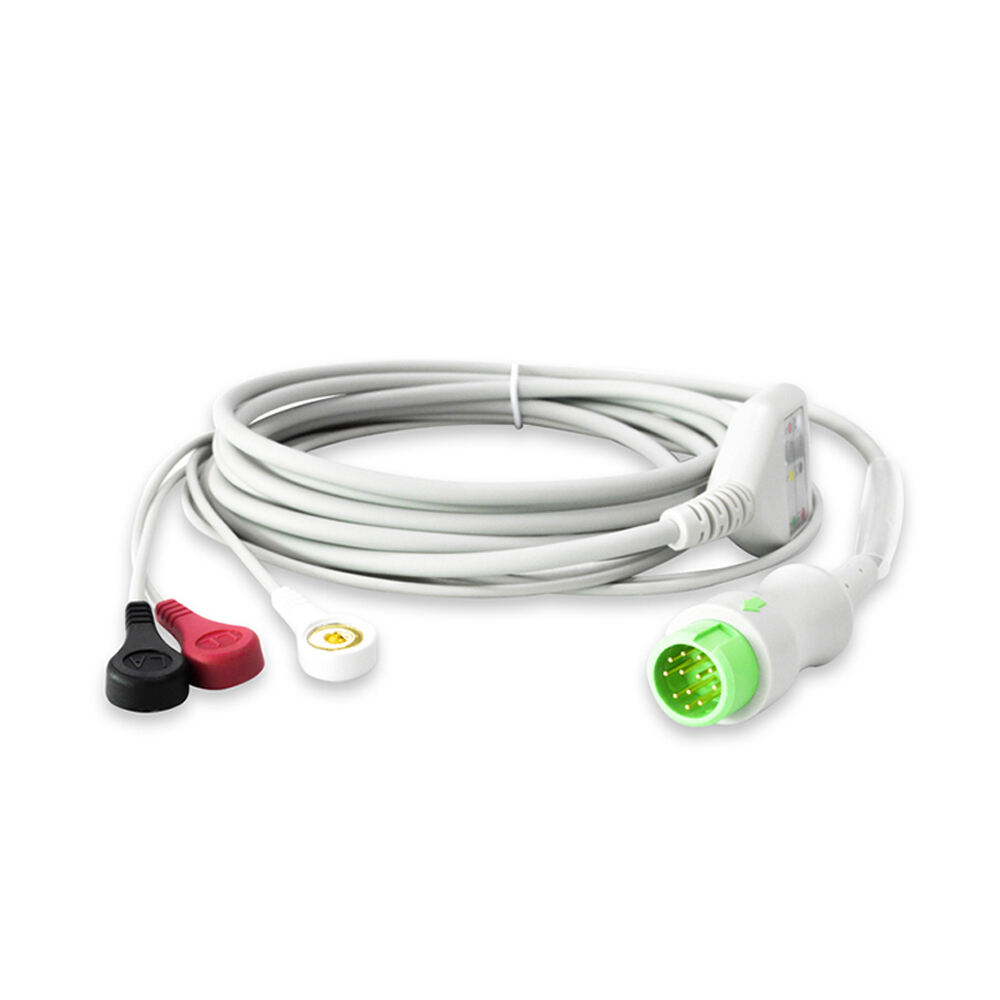
Choosing the right cable assemblies for medical imaging might seem tricky, but it doesn’t have to be. First, you need to think about the specific machines you are using. Different machines need different types of cables. For example, an MRI machine may require cables that can handle strong magnetic fields, while an ultrasound machine may need cables that can work with sound waves. Understanding what each machine needs is the first step. HOTTEN can help guide you through this process.
Next, consider the length of the cables. If the cable is too short, it won't reach where it needs to go. If it's too long, it may create clutter, which can be a safety hazard. Finding the right length is important for both functionality and safety. Also, think about the environment where the cables will be used. If they will be in areas where they might get wet, you need cables that are water-resistant. HOTTEN offers a range of options that can withstand different conditions.
Another factor to consider is the cost. While it might be tempting to go for the cheapest option, remember that quality matters in medical imaging. Investing in reliable cables can save money in the long run because you won’t have to replace them often. HOTTEN provides various options at different price points, so you can find something that fits your budget while still being high quality. Lastly, it’s helpful to ask for recommendations from other medical professionals or to reach out to HOTTEN for expert advice. They can help you make the best choice for your needs and ensure that you have the right tools to provide excellent care to patients.
What Are the Common Usage Issues with Medical Imaging Cable Assemblies?
Medical imaging cables are very important because they help doctors see inside our bodies without surgery. These cables connect machines like MRI and ultrasound to computers and other devices. However, there are some problems that can happen with these cables. One issue is wear and tear. When cables are used a lot, they can get damaged. This might cause pictures to be blurry or not work at all. Another problem is the environment where these cables are used. Hospitals are busy places, and sometimes cables can get tangled or pulled. If a cable gets pulled too hard, it can break and stop working. Also, medical imaging requires very clear signals. If there is interference from other machines or devices, it can mess up the images, which can lead to wrong diagnoses. Lastly, some cables might not fit well with the machines. If the connections are not perfect, it can cause problems, too. This is why it’s important to have high-quality cables that are made just right for each medical device. At HOTTEN, we understand these issues, and we focus on creating cables that are strong, reliable, and fit perfectly to help doctors get the best images possible.
How Precision Engineering Enhances Medical Imaging Cable Assembly Performance
Precision engineering is like being very careful and exact when making something, and this is especially important for medical imaging cable assemblies. When cables are made using precision engineering, it means that every part is carefully designed and built to work perfectly. This is important because medical imaging needs to be very accurate. If the cables are made with precision, they can carry signals better, which helps doctors see clear images. This is also about making sure the cables are made from the best materials. At HOTTEN, we make sure to use high-quality materials that can handle the tough conditions in hospitals. For example, we use special coatings that protect the cables from damage and help medical cable assembly manufacturers them last longer. Precision engineering also means that we pay close attention to how the cables are put together. Each connection must be strong so that the signals don’t get lost. This helps to reduce errors in imaging and ensures that doctors have the information they need to make good decisions about patients’ health. In short, using precision engineering in our cable assemblies makes them work better, last longer, and helps doctors do their jobs more effectively.
Where to Source Custom Cable Assemblies for Advanced Medical Imaging
Finding the right custom cable assemblies for medical imaging can be challenging, but it’s very important. Custom cables are made specifically for certain machines, so they fit perfectly and work well. One medical cable manufacturer good place to start is at companies that specialize in medical equipment. They often have connections to manufacturers like HOTTEN, who focus on making high-quality cables for medical purposes. It’s also a good idea to look for companies that offer custom solutions. This means they can make cables that fit the exact needs of the machines being used. When looking for a supplier, it’s important to check their experience and quality. A good company should be able to show that they make cables that meet strict standards. Additionally, talking to others in the medical field can provide recommendations on where to find reliable cable assemblies. Attending trade shows or medical conferences can also be helpful. At these events, companies like HOTTEN showcase their latest products, and visitors can learn more about what they offer. Once custom medical cables you find a supplier, it’s a good idea to ask questions about how they make their cables and what kind of guarantees they provide. This way, you can be sure that the custom cable assemblies you choose are the best for medical imaging and will help doctors and patients.